Digital euro: MEPs ready to start negotiations
A digital euro is no longer just a policy slide with good intentions and a slightly abstract promise of “innovation.” The European Parliament has voted to move into interinstitutional negotiations…
Jocelyn Davenport·updated July 13, 2026
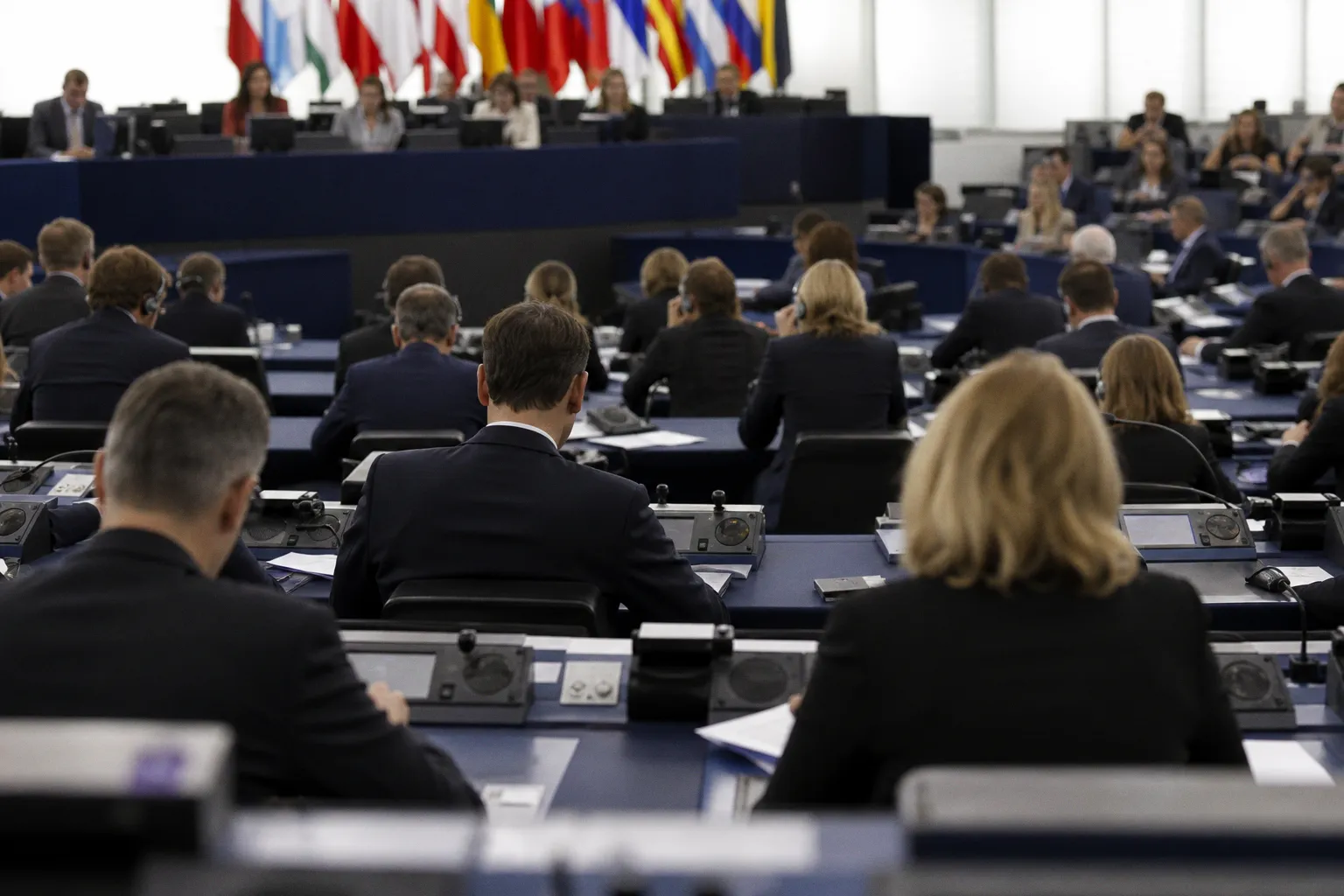
A digital euro is no longer just a policy slide with good intentions and a slightly abstract promise of “innovation.” The European Parliament has voted to move into interinstitutional negotiations with the Council on the proposal, framing it as a secure, privacy-focused electronic form of money for citizens. For anyone watching neobanks and payment apps, the useful question is not “will cash disappear?” — the available text does not say that — but how much new payment plumbing Europe wants to bring closer to public control.
Parliament has opened the door to talks
According to the European Parliament, plenary backed negotiations on the digital euro package. The vote on creating a digital euro was 416 in favour, 169 against and 22 abstentions. Parliament also approved, by a show of hands, talks on allowing payment service providers incorporated in EU member states outside the euro area to provide digital euro services.
That second detail matters for fintech users more than it first appears. Payment products often look simple on the front end: tap, swipe, confirm, move on. But the user journey depends on who is allowed to connect to the rails underneath. If non-euro-area payment providers can participate, the eventual design may matter not only for traditional banks in the eurozone, but also for challengers and payment firms serving customers across borders.
There is also a third part of the same single currency package: legal tender for euro banknotes and coins. The Parliament says that file was not contested, so negotiations can also go ahead on it. In plain English: the digital euro conversation is moving alongside the cash conversation, not visibly replacing it in the facts we have.
The promise is lower dependency, but the UX test is still ahead
The Parliament’s stated aim is to give citizens a secure way to reduce reliance on non-EU providers. That is a familiar European policy instinct: if essential payments depend too much on outside infrastructure, the system carries political and operational friction before the consumer ever notices it.
But consumer trust is not built by architecture diagrams. It is built at the moment you try to pay, recover access, understand privacy settings, or explain to a family member why this wallet is different from the one already on their phone.
This is where the digital euro will have to earn its place. If the choice architecture is confusing — one balance here, one bank app there, another public-money layer somewhere else — users may simply default to whatever is already installed and accepted. Behavioral economics is not sentimental: when cognitive load rises, people choose the path of least resistance, even if the policy goal is reasonable.
For neobanks, this is the interesting tension. A digital euro could become another layer they must integrate, explain and support. Or it could become a public rail that makes certain payment experiences feel more neutral and portable. The Parliament’s move does not settle that. It only moves the negotiation to the stage where those design trade-offs become harder to avoid.
What users and fintech teams should watch next
Fernando Navarrete Rojas will lead Parliament’s negotiating team, and a first round of negotiations with the Irish Presidency of the Council is expected shortly, according to the Parliament. That is the next institutional step, not a consumer launch.
So the practical posture is patience, not panic. Users do not need to change banking apps because of this vote. Fintech teams, however, should watch the scope of participation, the privacy model, and the obligations placed on payment service providers. Those choices will determine whether the digital euro feels like a useful public option or like one more consent screen in an already overworked financial life.
There is a broader European pattern here: payments, energy, vehicles, chips — different markets, same question about strategic dependence. Even in mobility, headlines about BYD nearing a decision on a second European plant sit inside that wider debate over where critical infrastructure and capacity should live.
The digital euro now enters the slower, more consequential part of lawmaking. For consumers, the best outcome would be almost boring: a payment option that is private, reliable, widely usable and easy to understand. In fintech, boring is underrated. It is often what trust looks like after the marketing fades.