ECB Gains Parliamentary Backing to Launch Digital Euro Project
The European Central Bank has cleared a significant procedural hurdle in its push toward a digital euro, with the European Parliament lending its backing to move the project forward.
Jocelyn Davenport·updated June 23, 2026
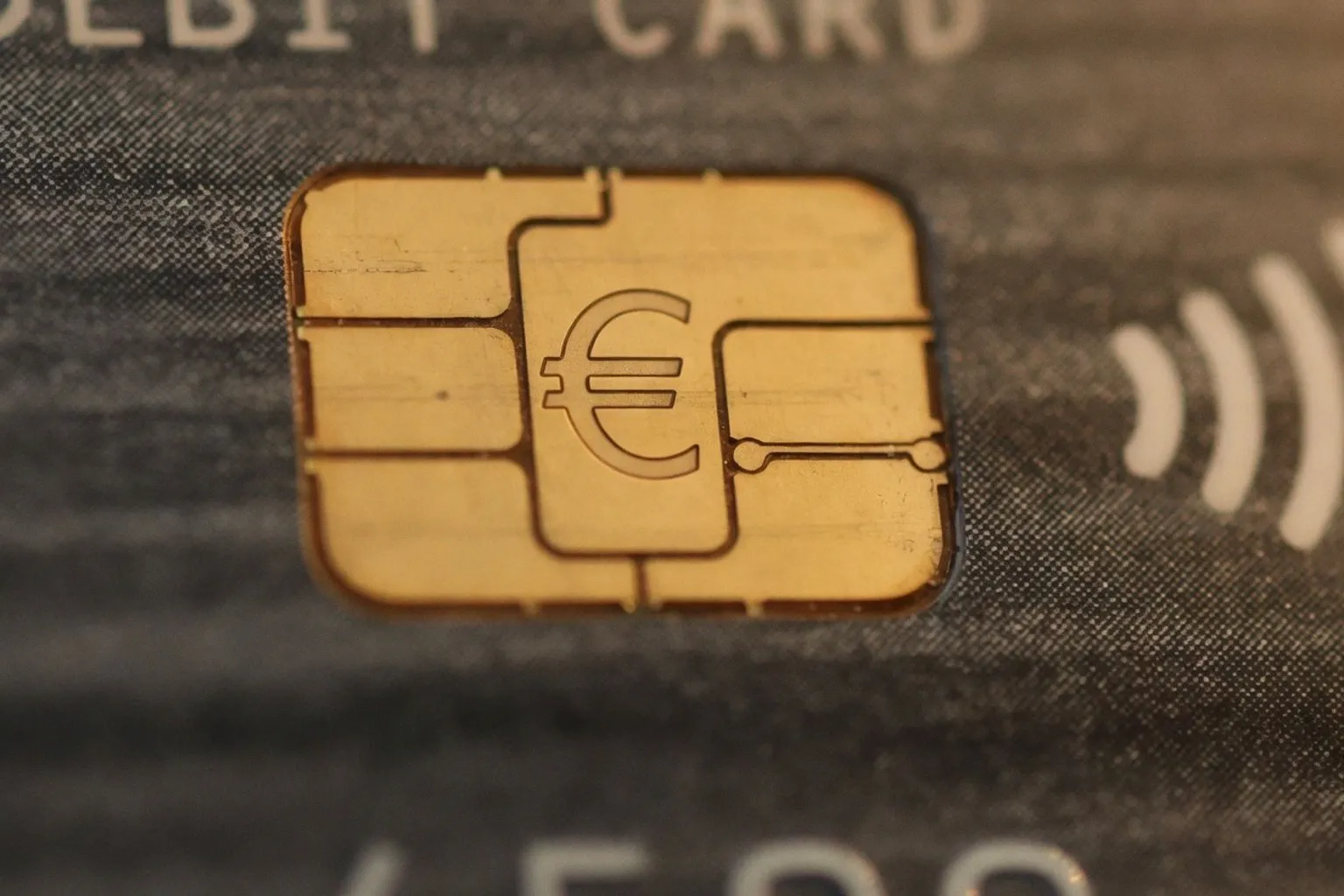
For anyone watching the neobank and challenger space, this isn't an abstract monetary policy footnote. It's a structural rewrite of the choice architecture most of us navigate without thinking.
What we actually know
The thinness of the public reporting so far is worth naming. As of now, Global Banking & Finance Review has confirmed the headline event — parliamentary backing — but the granular details around the scope of the mandate, the timeline for issuance, and the technical design remain sparse in our feed. What we can say with confidence is that the European Parliament has signaled enough support to keep the digital euro project moving rather than shelve it. That distinction matters: a green light from parliament is not the same as a launch date, and it is emphatically not the same as a finished product in your phone.
For consumers, the core question isn't philosophical. It's transactional. When (or if) a digital euro lands, it will introduce a new payment rail alongside card networks, instant payment schemes, and the growing stack of stablecoins already circling the eurozone. The ECB has spent years framing the digital euro as a public counterweight to private money — stablecoins, wallet-based payments, crypto-adjacent products. Whether that framing survives contact with real user behavior is another matter entirely.
The user journey we're watching
Here's where the friction analysis gets interesting. A CBDC that lives inside your banking app sounds, on paper, frictionless. In practice, CBDCs have a history of cognitive load problems: holding limits, tiered verification, offline/online distinctions, merchant acceptance gaps. The behavioral economics question isn't whether the ECB can mint a digital euro — it can. It's whether ordinary users, faced with yet another wallet entry alongside Apple Pay, Revolut, Wise, and their bank's own app, will treat it as a default or as a novelty they forget to fund.
Watch for three signals as this develops: how the ECB positions the digital euro relative to commercial bank deposits (will it feel like cash, or like a stripped-down savings product?), what merchant acceptance actually looks like at launch, and whether the onboarding flow requires yet another identity verification ritual on top of the ones we already endure.
Why consumer trust is the real variable
We tend to discuss CBDCs in infrastructure terms — ledgers, settlement layers, programmability. But the product that ships to consumers will be judged on the same criteria we apply to every neobank and fintech challenger: does it reduce friction, does it feel trustworthy, and does it do something my existing setup doesn't already do?
Parliamentary backing is a political milestone, not a UX one. Until the digital euro has a user journey worth living inside — not just a regulatory one — the question for most of us is simpler: this is a project to track, not yet one to migrate toward.