Nu México Secures Full Banking License: What This Means for 15 Million Users
According to Bloomberg, Mexico’s National Banking and Securities Commission has granted Nu México final authorization to operate as a commercial bank.
Jocelyn Davenport·updated July 17, 2026
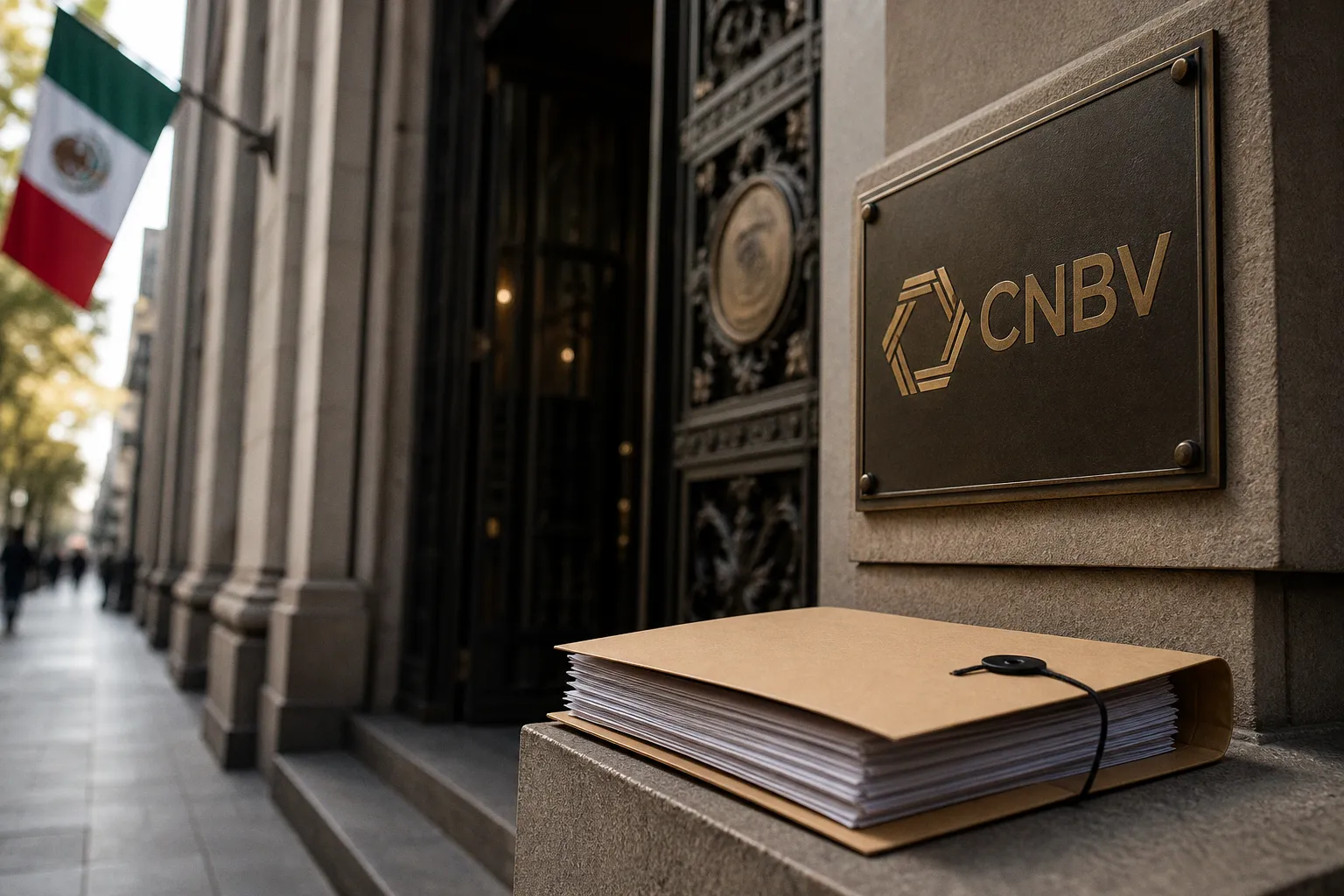
The decision lets the neobank move its 15 million users and $5.9 billion in deposits into the formal banking system—a change that matters less as a badge of institutional maturity than as a test of whether a familiar app can make banking feel more dependable without making it feel harder.
For users, “we’re becoming a bank” can sound like an administrative footnote. It rarely is. The moment an account moves from a fintech structure into a licensed banking operation is precisely when the user journey can acquire new steps, new disclosures and new expectations. Necessary, perhaps—but rarely frictionless.
The licence changes the architecture, not the daily habit
Nu México’s final authorization is a substantial shift in the company’s operating model. Bloomberg reports that the approval allows the transition of its existing user base and deposits into the formal banking system.
That wording is important. It does not, by itself, tell customers which screens, terms or account processes will change, nor does it promise that nothing will. The sensible consumer response is not panic or celebration; it is attention.
If you use Nu México, the practical task is to watch the transition closely: notices in the app, revised account documentation, and any request to confirm details. These moments tend to concentrate cognitive load in a few unglamorous interactions—the exact place where people click through quickly because the service has trained them to expect an instant, low-effort experience.
That expectation is one of the neobank model’s great achievements. It can also become a vulnerability. A smooth interface makes us feel that the system underneath is equally simple. Banking licences are a reminder that it is not.
Scale makes trust a product feature
Fifteen million users and $5.9 billion in deposits give this transition a scale that is hard to treat as a routine corporate milestone. Nu México now has to carry a large, digitally native customer base into a more formal banking framework while preserving the clarity that drew many customers to an app-led service in the first place.
The industry often presents this trajectory as inevitable: start light, grow fast, secure deeper permissions, become more bank-like. But the user-facing question is more stubborn. Does the service become easier to trust when its legal footing becomes more established—or does the process introduce enough complexity to erode the everyday confidence built through convenience?
That tension is also relevant beyond Mexico. Across Latin America, challengers are competing not only for app installs but for the long, difficult relationship between a customer and their primary financial account. Crypto Briefing reports that Argentine neobank Ualá has received a $20 million strategic investment from Tether, completing a $197 million round led by Allianz X and valuing Ualá at $3.2 billion. Capital is still arriving; the harder work is turning it into durable consumer trust.
For readers watching the financial sector from an investment angle, the broader bank backdrop is worth keeping in view alongside the prospects for bank ETFs during earnings season. But for customers, the more immediate metric is mundane: whether a major structural transition is communicated plainly, completed reliably and does not turn ordinary banking into a maze.
What not to assume yet
Final authorization is a consequential fact. It is not a complete answer to every customer question. The available reporting does not specify the timing or mechanics of the transition for individual accounts, and it would be premature to infer product changes from the approval alone.
That restraint is useful because fintech announcements often encourage the opposite behavior: users are invited to read scale as certainty, funding as safety, and a new regulatory status as a finished experience. In reality, trust is accumulated after the announcement—in notifications that make sense, support that resolves edge cases, and account changes that do not leave people wondering where their money now sits.
Nu México has cleared an important institutional threshold. The next measure will be simpler, and much less glamorous: whether its customers can cross it without feeling they have been asked to become compliance experts just to keep using a banking app.