SCB Becomes Citi’s First Global Bank Client for 24/7 USD Payment Solution
A cross-border USD payment is often fastest precisely when nobody needs it: during business hours, on a non-holiday, with every party sitting inside the same operational timetable. SCB’s new integration with Citi is aimed at the gaps outside that tidy window.
Jocelyn Davenport·updated July 16, 2026
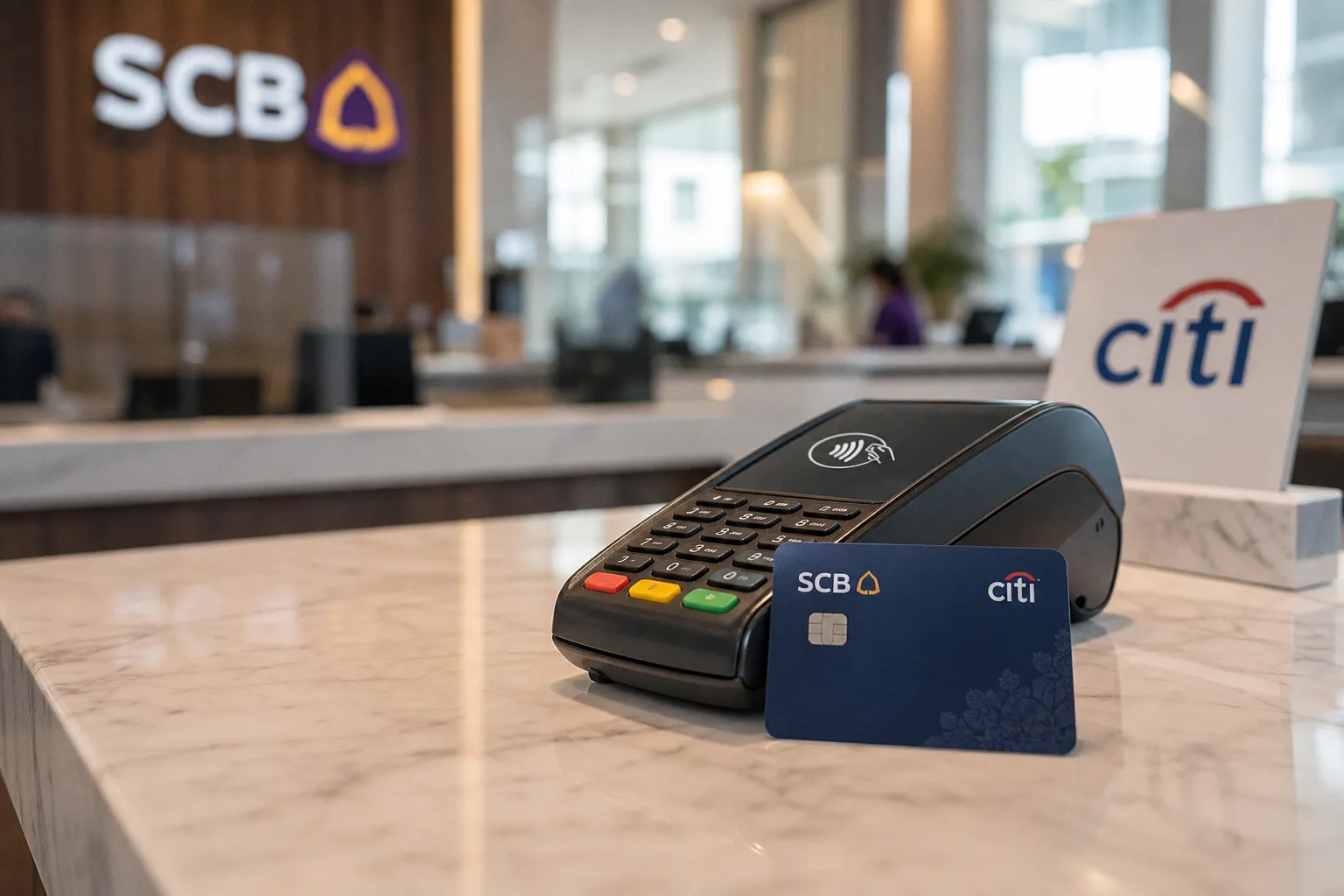
For corporate and institutional customers, the appeal is not a shinier payment interface. It is the ability to move USD across borders in near real time outside normal banking hours, including weekends and holidays — the moments when legacy payment journeys tend to turn into a queue.
A payment rail for the inconvenient hours
The first transaction reportedly took place over a US holiday weekend. Phillip Securities Thailand, an SCB client, received USD into a beneficiary account with SCB from a Citi London account held by another PhillipCapital subsidiary.
That example matters because it exposes the real user problem. International businesses do not stop making decisions when correspondent-banking calendars do. They may need to release collateral, settle a trade, or simply keep a supplier relationship from slipping into another working day. A payment that is technically possible but operationally unavailable creates friction at exactly the point where time has become expensive.
SCB says it is the first bank in Thailand to use tokenisation to strengthen cross-border USD capabilities. Its pitch is flexibility: fewer operational constraints around when clients can conduct international business.
Tokenisation is the plumbing, not the consumer promise
Citi Token Services tokenises deposits held within Citi’s global network using a private, permissioned blockchain. The system operates within the regulated banking framework and is integrated with Citi’s around-the-clock USD clearing service.
That distinction is worth lingering on. “Token” has become one of finance’s most cognitively overloaded words: it can suggest crypto speculation, a new asset class, or a product consumers are somehow expected to understand. Here, the stated purpose is more contained. Tokenisation is being used as infrastructure to help connect traditional banking rails with a more continuously available movement of funds.
Citi’s clearing network connects more than 300 financial institutions in over 50 markets, according to the announcement. But scale on a network diagram is not the same as universal availability at the customer level. Whether a payment can travel at a given moment still depends on the participating banks, the accounts involved and the specific service setup.
What SCB clients should ask before treating “24/7” literally
The news is meaningful for treasury teams and institutions with USD flows involving Thailand. Yet “always on” is a promise that needs a few footnotes before it becomes part of anyone’s operating routine — as these promises usually do.
Clients will want clarity on which payment types and counterparties are eligible, how near-real-time processing is defined in practice, and what happens when a transaction needs review or hits an exception. They should also establish how the process works across different time zones and on holidays in the jurisdictions involved.
The broader shift is less about blockchain as a branding exercise than about choice architecture in banking. If payments can move when businesses actually need them, the old habit of planning around cutoff times starts to lose its grip. Long-term trust, however, will be earned by the unglamorous part: clear eligibility, reliable exception handling and an experience that does not make clients decode the rails beneath their money.