Tripura Rural Bank Expands Operations by Opening 15 New Fully Digital Branches
When a regional rural bank announces it’s opening 15 new branches, the usual script involves concrete, brick, and mortar. Tripura Rural Bank’s move breaks that template entirely: all 15 are fully digital.
Jocelyn Davenport·updated June 23, 2026
More Than Just an App
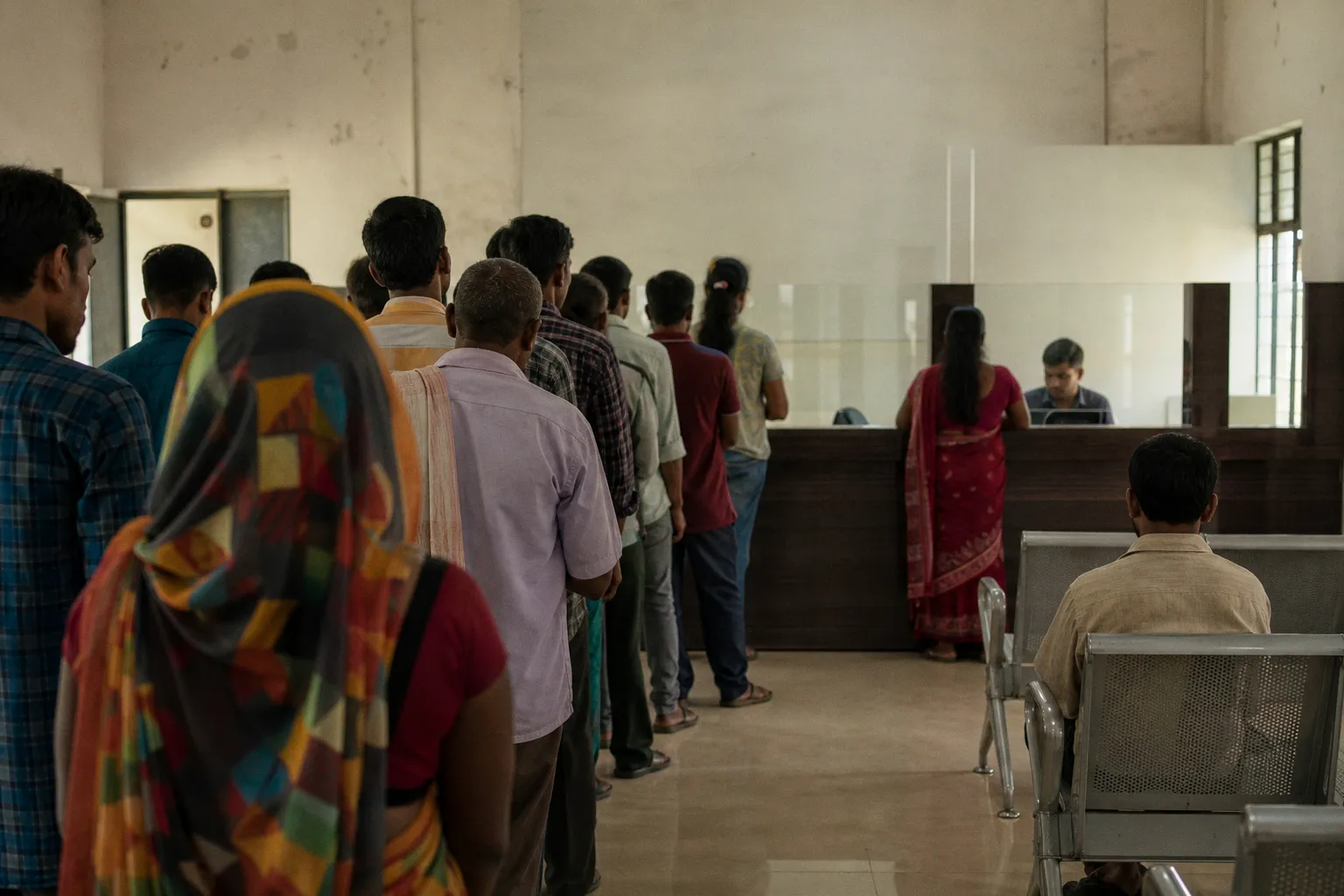
The bank frames this as a push for financial inclusion, and the details point to a focus on reducing friction. The branches are equipped with self-service kiosks and digital transaction systems. The goal, according to officials cited, is to provide faster services for account management, fund transfers, and cashless transactions. For users, this means the “user journey” for routine tasks could be shorter, with automated systems cutting waiting times. But the critical question is one of adoption. Deploying customer assistance teams to help users adapt to these platforms acknowledges a core behavioral hurdle: even the most efficient system fails if the cognitive load of learning it is too high.
The Inclusion Calculus
The strategic bet here is on bridging geographical barriers without a physical presence in every pocket. By targeting underserved communities, small businesses, and farmers, the bank is positioning its digital infrastructure as a tool for economic participation. The promise is easier access to financial services, which could stimulate local economic activity. However, the long-term success of this model hinges on more than just convenience. It requires building enough trust that customers feel comfortable moving their financial lives onto these platforms—a significant shift from the face-to-face relationships that have traditionally defined banking in such regions.
Watching the Trust Metric
Every neobank and challenger bank eventually confronts the trust deficit. For Tripura Rural Bank, the simultaneous strengthening of cybersecurity measures and conducting of awareness campaigns are necessary but not sufficient steps. The real metric to watch will be adoption and sustained usage, especially for more than just basic transactions. If customers only use these digital branches for simple cash-in, cash-out operations, the transformative potential remains limited. The long-term reflection here is on whether convenience alone can build the deep consumer trust that legacy banks earned through decades of physical presence. For the fintech world, this is a live case study in scaling digital access while preserving the human element that underpins financial security.